Comment
Again, here is an actual conversation I had during my first visit to Cuba — with a family that befriended me there.
Comment
Again, here is an actual conversation I had during my first visit to Cuba — with a family that befriended me there.

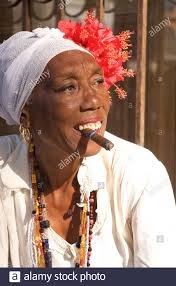
I met a woman like Damiana in Cuba. This is pretty much an accurate account of our first conversation. (For previous chapters of my novel The Pope, His Chamberlain, the Jinetera, and Fidel: a novel about Cuba, prostitution and the Catholic Church, scroll down.)
This is Chapter Nine in my novel, The Pope, His Chamberlain, the Jinetera, and Fidel: a novel about Cuba, prostitution, and the Catholic Church. (Scroll down for previous chapters.)
Comment
I know that listeners will find this hard to believe. However, what’s recorded in this chapter actually occurred during the 1997 meeting of our Global Affairs group with the director of Caritas in Havana. The translator rebelled just as depicted here.
(For earlier chapters of this novel, please just scroll down.)

This is Chapter Seven of my novel, The Pope, His Chamberlain, the Jinetera, and Fidel: a novel about Cuba, prostitution and the Catholic Church
(Scroll down for previous chapters.)

Comment
This chapter reflects almost word-for-word an actual conversation among academics visiting Cuba with the organization Global Exchange during my first trip to the island. We stayed in the El Bosque Hotel as described in the chapter.
(Scroll down for previous chapters in this audio version of my book, The Pope, His Chamberlain, the Jinetera, and Fidel.)
Scroll down for previous chapters of The Pope, His Chamberlain, the Jinetera, and Fidel,

Comment
When I left for Cuba on my first visit, I was asked to take luggage just like in this chapter.
(Scroll down for all other chapters.)

This is chapter 3 in my audio novel The Pope, His Chamberlain, the Jinetera and Fidel. (I made a mistake yesterday entitling its uncorrected chapter “Chapter Three.” It was really chapter two.)
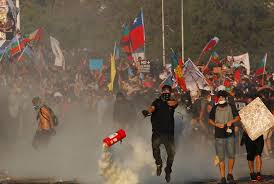
This is one of the chapters with firm grounding in reality. The pope’s nightmare is based on the report of what happened during his 1987 trip to Chile. In their biography (His Holiness: John Paul and the hidden history of our time) Carl Bernstein and Marco Politi described the papal Mass in the national soccer stadium as follows:
Pinochet staged a massive intervention using armored cars, jeeps, policemen with nightsticks and shields, water cannons, and tear gas to combat 700 demonstrators shouting slogans against the dictatorship and throwing stones at police stationed o the edge of the park. The demonstrators, who belonged to the extreme left-wing party Mir and to organizations of young dissidents allied with the Chilean Communist Party, were a tiny fraction of the 700,000 worshipers present at the mass. But the general wanted to make a point. Police charged demonstrators who were burning tires to shield themselves and crashed through the crowd of the faithful. Beneath the altar where the pope was celebrating mass, soldiers in jeeps cut circular swaths. Journalists, pilgrims, and priests who tried to block them were run over and injured. The tear gas fumes even reached the altar, where John Paul II, his eyes red and his throat burning, skipped whole sections of his homily on reconciliation, while his personal physician gave him water and salt to fight off the poisonous air.
“Love is stronger than hate!” shouoted John Paul II, while around him thousands of fear-stricken spectators cried out, “Save the pope!” Six hundred people were injured. All the political parties, including the socialists and Communists, denounced the actions of the security forces, calling their response a provocation. Cardinal Fresno and the president of the Chilean bishops conference, however, issued a communique identifying the police as the chief victims and blaming the demonstrators. It said the demonstrators had tried to prevent those in attendance from expressing their beliefs and had offended the pope. “We protest against this incredible assault, which meant blows and wounds to carabineros, papal guards, journalists, priests, and the faithful.” Not a word was said about police brutality, which had been witnessed by the entire international press corps.
 About Things That Matter